“12 “Observe the Sabbath day by keeping it holy, as the Lord your God has commanded you. 13 You have six days each week for your ordinary work, 14 but the seventh day is a Sabbath day of rest dedicated to the Lord your God. On that day no one in your household may do any work. This includes you, your sons and daughters, your male and female servants, your oxen and donkeys and other livestock, and any foreigners living among you. All your male and female servants must rest as you do. 15 Remember that you were once slaves in Egypt, but the Lord your God brought you out with his strong hand and powerful arm. That is why the Lord your God has commanded you to rest on the Sabbath day.”
Homily
I wonder if you make time for proper rest each week? Not the sort of squeezing in a few moments of chill out time on a weekend, but genuine rest. Modern life is so busy, yet we know from numerous health studies that stress is not only bad for us physically but mentally also, and one of the best ways of combating it is with proper rest. Now this might not mean ceasing from everything entirely, it might mean doing instead those things that you enjoy, which give you energy, for example I am terrible at sitting reading a book, but an hour weeding on the allotment can make me feel so much better.
The ancient wisdom from the Israelites was to follow God’s example of rest on the seventh day. This meant their whole society had to be organised to enable that to happen. Sabbath rest doesn’t happen by accident, it does take planning and the same is true today. Now it may be that Sunday is restful and spiritual activities such as going to church, either online or in person are restful for you, great, but if they aren’t do consider looking for other times in your week to find that rest.
I find I need space to listen to God and to hear what I am really thinking or feeling. Often, I might go for a walk, you might find other things helpful in slowing down. Although a Sabbath needn’t be all day it is healthy to find one day a week when the jobs of life, be they paid work or unpaid, such as caring for the home can be put to one side – a time when we can make space for each other, space to listen and to love, space to pray and be made whole once more. It is through these regular rhythms that we will be better able to cope with life, and better able to listen to God. So, this week why not plan some sabbath time and see just how God may speak through it…
Intercessions
Living Lord, we bring to you the needs of the world.
We pray for those who consider themselves to be strangers and outcasts. Help us always to welcome the stranger, whatever the cost, not sitting comfortably and ignoring people we think don’t fit in, not taking the easy way. May our homes and churches be places of welcome, hospitality and love, that all may have the chance to recognise and see you in the warmth of those around them.
We pray for countries where food is in short supply. May we farm sustainably and eat sensibly, so there is enough to feed the whole planet. May we not look only after ourselves but seek to offer the same opportunities to all. Help us not to be selfish, but always to consider others. Lord, we long for the day when all in society will be equal. May we be a part of making that happen.
We pray for those who are lonely and have no one to eat with them. May we open our doors to our neighbours, so that love and friendship can flourish, and all can enjoy the feast.
We remember those isolating, the unwell, the fearful and the bereaved,
In the quiet we remember those known to us now
Loving God bring your blessing, healing and peace,
5 The king of Aram had great admiration for Naaman, the commander of his army, because through him the Lord had given Aram great victories. But though Naaman was a mighty warrior, he suffered from leprosy.
2 At this time Aramean raiders had invaded the land of Israel, and among their captives was a young girl who had been given to Naaman’s wife as a maid. 3 One day the girl said to her mistress, “I wish my master would go to see the prophet in Samaria. He would heal him of his leprosy.”
4 So Naaman told the king what the young girl from Israel had said. 5 “Go and visit the prophet,” the king of Aram told him. “I will send a letter of introduction for you to take to the king of Israel.” So Naaman started out, carrying as gifts 750 pounds of silver, 150 pounds of gold, and ten sets of clothing. 6 The letter to the king of Israel said: “With this letter I present my servant Naaman. I want you to heal him of his leprosy.”
7 When the king of Israel read the letter, he tore his clothes in dismay and said, “Am I God, that I can give life and take it away? Why is this man asking me to heal someone with leprosy? I can see that he’s just trying to pick a fight with me.”
8 But when Elisha, the man of God, heard that the king of Israel had torn his clothes in dismay, he sent this message to him: “Why are you so upset? Send Naaman to me, and he will learn that there is a true prophet here in Israel.”
9 So Naaman went with his horses and chariots and waited at the door of Elisha’s house. 10 But Elisha sent a messenger out to him with this message: “Go and wash yourself seven times in the Jordan River. Then your skin will be restored, and you will be healed of your leprosy.”
11 But Naaman became angry and stalked away. “I thought he would certainly come out to meet me!” he said. “I expected him to wave his hand over the leprosy and call on the name of the Lord his God and heal me! 12 Aren’t the rivers of Damascus, the Abana and the Pharpar, better than any of the rivers of Israel? Why shouldn’t I wash in them and be healed?” So Naaman turned and went away in a rage.
13 But his officers tried to reason with him and said, “Sir, if the prophet had told you to do something very difficult, wouldn’t you have done it? So you should certainly obey him when he says simply, ‘Go and wash and be cured!’” 14 So Naaman went down to the Jordan River and dipped himself seven times, as the man of God had instructed him. And his skin became as healthy as the skin of a young child, and he was healed!
Homily
Over the past few weeks, we have learned much from the stories of Old Testament characters. On Sundays, we have thought about Abraham, Ruth, Amos, Esther and David. In our midweek services, we have mused on Elijah, Job, Jeremiah, Hagar and Deborah. We could discuss many many more. But on this final Sunday in our series, I want to look at the nameless characters who play unnoticed and vital roles in many Bible stories we tell.
Today’s Old Testament story is a fairly well known one. Naaman the great commander was stricken by a skin disease (in those days, all sorts of skin diseases were called leprosy) and healed after he takes Elisha’s advice and dips in the Jordan river seven times. But there would have been no story – Naaman would not have been healed, Elisha would not have performed a miracle, Aram would not have learned a new respect for their neighbour Israel’s God – if it wasn’t for the actions of a little slave girl.
In those times, when land meant survival, neighbouring countries regularly waged war against one another. Skirmishes along borders were commonplace and one of those skirmishes between Israel and Aram led to a young girl being taken from her home village as plunder. We can only imagine the trauma she experienced as her home was attacked and she was taken from everything and everyone she knew. However, given all the things that could have happened to her, it could have been worse. She is a captive, but as a captive finds herself a maid in the home of a wealthy and respected household. Who knows why the girl chooses to share her knowledge with her mistress? Maybe she hoped to benefit from passing on the information. Maybe Naaman’s illness put the wellbeing of the whole household in jeopardy. Or maybe, and this is my suspicion, she had received kindness from her master and mistress despite her captivity and wanted to help them in return.
One thing we do know. Her mistress, another nameless one, listens to her little slave girl. She neither scolds her for impertinence nor disregards her belief that in Israel there was a prophet of God who might help Naaman. The wife listens to this child, passes this news to her husband and the story we know so well follows on.
This girl would have no idea that people would still be talking about her – far less that I would be preaching about her – two and a half thousand years later. Her one act of kindness, and a kindness all the more remarkable after all that had happened to her, triggered a story that is still teaching us things about God and faith and obedience and humility today. And she is not the only one. The Bible is full of nameless characters whose small acts continue to speak to us millenia later. The thief on the cross. The widow and her mite. The woman who provided a home for Elijah. Lot’s wife. The wise woman of Abel. The woman at the well. And so many more…
On Thursday, some of us gathered via Zoom to hear Andrew Graystone tell us some hilarious and thought-provoking stories. He talked about some of the things he has experienced over a life of trying to be the person God made him to be in the places God put him. God certainly has a sense of humour. But one of the things Andrew said was that we all have these stories. Those times when we are the right person in the right place – or sometimes the wrong person in the right place – and end up having more impact than we ever expected. But more commonly, like the slave girl, we never know the impact our small actions of love, generosity, kindness and care have on others.
That girl is nameless to us, but she was and is known to God. Our actions may feel small and forgotten, but in offering them to God who knows what is possible. We worship a God who chooses to work through the overlooked, the powerless and the nameless. We worship a God who can use a kind word or a generous act to unleash a tidal wave of grace. So be encouraged by the nameless ones. In a world full of troubles, your small acts of love will be noticed and used by God.
Intercessions
God of love and wisdom, in our prayers today we bring to you the nations of the world and their leaders amid growing tensions, accusations and mistrust. We give thanks for those pooling their resources to find a vaccine for the coronavirus; for those offering sanctuary to refugees. We remember and pray for those countries where we have family and friends, and all those places whose suffering touches our hearts. Lord, may the truths of your kingdom be our strength.
We pray for those industries hardest hit economically; for all who are struggling with self-worth after losing their jobs; for young people applying for university; for those applying for benefits; for charities struggling to cope with increased demand and reduced income. Lord, may the truths of your kingdom be our strength.
We pray for churches and places of worship as they welcome congregations back; for courage as they encounter new challenges and joy as they embrace new opportunities. We pray for one another as we reflect on God’s word and live out our faith. Lord, may the truths of your kingdom be our strength.
And we pray for those who are ill, those in hospital and those at home; those awaiting operations and treatment; and those receiving palliative care. We remember those who have died, and pray for those who are grieving – especially those who were unable to gather to comfort one another. Lord, may the truths of your kingdom be our strength. In Jesus’ name we pray. Amen.
10 Then Esther told Hathach to go back and relay this message to Mordecai: 11 “All the king’s officials and even the people in the provinces know that anyone who appears before the king in his inner court without being invited is doomed to die unless the king holds out his gold scepter. And the king has not called for me to come to him for thirty days.” 12 So Hathach gave Esther’s message to Mordecai.
13 Mordecai sent this reply to Esther: “Don’t think for a moment that because you’re in the palace you will escape when all other Jews are killed. 14 If you keep quiet at a time like this, deliverance and relief for the Jews will arise from some other place, but you and your relatives will die. Who knows if perhaps you were made queen for just such a time as this?”
15 Then Esther sent this reply to Mordecai: 16 “Go and gather together all the Jews of Susa and fast for me. Do not eat or drink for three days, night or day. My maids and I will do the same. And then, though it is against the law, I will go in to see the king. If I must die, I must die.” 17 So Mordecai went away and did everything as Esther had ordered him.
Esther 7:1-10
So the king and Haman went to Queen Esther’s banquet. 2 On this second occasion, while they were drinking wine, the king again said to Esther, “Tell me what you want, Queen Esther. What is your request? I will give it to you, even if it is half the kingdom!”
3 Queen Esther replied, “If I have found favor with the king, and if it pleases the king to grant my request, I ask that my life and the lives of my people will be spared. 4 For my people and I have been sold to those who would kill, slaughter, and annihilate us. If we had merely been sold as slaves, I could remain quiet, for that would be too trivial a matter to warrant disturbing the king.”
5 “Who would do such a thing?” King Xerxes demanded. “Who would be so presumptuous as to touch you?”
6 Esther replied, “This wicked Haman is our adversary and our enemy.” Haman grew pale with fright before the king and queen. 7 Then the king jumped to his feet in a rage and went out into the palace garden.
Haman, however, stayed behind to plead for his life with Queen Esther, for he knew that the king intended to kill him. 8 In despair he fell on the couch where Queen Esther was reclining, just as the king was returning from the palace garden.
The king exclaimed, “Will he even assault the queen right here in the palace, before my very eyes?” And as soon as the king spoke, his attendants covered Haman’s face, signaling his doom.
9 Then Harbona, one of the king’s eunuchs, said, “Haman has set up a sharpened pole that stands seventy-five feet tall in his own courtyard. He intended to use it to impale Mordecai, the man who saved the king from assassination.”
“Then impale Haman on it!” the king ordered. 10 So they impaled Haman on the pole he had set up for Mordecai, and the king’s anger subsided.
Sermon by Rev’d Jo Joyce
The story of Esther has been described as ‘a tale of Jewish courage amidst the threats and risks of the Persian empire.’ It is one of only two books of the bible that take its name from the female lead character and one of only two books that doesn’t mention God at all. It’s the story of a young woman who with great courage under the guidance of her guardian Mordecai, secures the safety of her people by becoming a Queen then winning over the Persian King to her cause, saving the Jews from genocide. Her story continues to be remembered in the Jewish festival of Purim to this day.
It has been a controversial part of scripture ever since its inclusion because of the absence of direct mention of God, yet the hand of God’s guidance runs clearly through the story. One of the important themes is human action in accomplishing God’s purposes, and importance of powerful women with agency. Here we have Esther who as a woman was a powerless member of a powerless group, the Jewish people, living under Persian rule. Yet as the heroine of the story she uses her intelligence, beauty, cunning and courage to stand up for justice and protect her people, in the face of great personal danger to herself.
The story begins with Queen Vashti, who refuses to parade herself (it’s thought possibly naked) for the Kings pleasure, before his mates. It is her action to stand up for herself in the face of them that enables Esther’s rise. When she refuses to oblige the King is angry and dismisses her lest she set an example for other women to disobey their husbands. After she has gone the King’s servants suggest that a beauty contest is held and young women from across the land be sought out and brought into his hareem to be prepared. The one whom he likes can then become Queen in Vashti’s place.
There lived in the ancient city of Susa (in modern Iran) a man named Mordecai who was Guardian to Esther. After she was selected for the Hareem he would walk each day to see how she was getting on, but he warned her not to tell them that she was a Jew. Esther was beautiful and was selected by the King from all the other young women to replace Queen Vashti. Not long after this Mordecai hears some of the Kings servants plotting against him, and warns Esther who in turn tells the King.
Later Haman an enemy of Mordecai and the Jewish people became angry when Mordecai refused to bow down before him. Haman in his anger decides to set out to destroy all the Jewish people and offers the King a huge sum of money for a decree that on a particular day of a particular month all the Jews should be annihilated, young and old, men and women. When Mordecai and the Jewish community heard of this they go into mourning, there is much distress, confusion and lament. When Esther hears that Mordecai is upset she sends a servant to find out what the problem is, and Mordecai sends a message explaining what has happened and urging her to go to the King and seek a reprieve. Her advises her that she should not think she will escape any more than the rest of them, and then says:
“For if you remain silent at this time, relief and deliverance for the Jews will arise from another place, but you and your father’s family will perish. And who knows but that you have come to your royal position for such a time as this?”
Here is the crux of the story perhaps the providence of God gave Esther the position she has so she can make a difference. Remaining silent in the face of injustice is wrong – we are called to use our influence – however great or small to do what is right. We are called to trust that sometimes God puts us in a particular place for a particular purpose and to have the courage to walk in that.
Esther recognises the danger she is in. She can be executed for approaching the King when he has not asked for her so she prepares herself by calling for a fast for 3 days. After this she goes into the presence of the King, he is pleased, and she asks for a banquet. At the banquet he is reminded of the work Mordecai did to protect him from the assassination plot – at the same time Haman is plotting how Mordecai should be hanged. The king seeks Haman asking how to honour a person who has saved the King and Mordecai is then honoured and Haman gets hanged on his own gallows after the terrible plot to the Jewish people is revealed. And so it is that Esther saves the Jewish community from destruction, Haman faces the consequences of his plotting and all the enemies of the Jews are punished. The festival of Purim is established to commemorate the events to ensure that they are never forgotten.
It’s a great story, with plot twists a beautiful heroine and an evil enemy is overcome, but underlying it all is the sense that behind the story and all its twists and turns there is a purpose to life. That God puts us in situations for a reason, that we are called to stand up for justice, even if this comes with a risk.
Maybe today there are things you need to stand up for or speak out against? I wonder if you are where you are for just such a time as this?’
Prayers
Loving God, we pray for your world, so imperfect and yet so rich and so diverse.
We pray for those places where humanitarian aid is being distributed amid violence, fear and power struggles… for volunteers, medical staff, peacekeepers, reporters and all who risk their lives to help others.
We remember those who continue to be affected by the attack at the maternity hospital in Iraq… for the people of Yemen, and Syria…
We pray too for those places where landmines still lay in the crops of fields, in villages, in places where children and communities live and work and go to school
Loving God, hear our prayer.
We pray for discernment and wisdom around the use of social media. We give thanks for those who use it for good – to fundraise, to highlight injustice, to share good news and to keep in touch with family and friends; but we also pray protection from, and for a change of heart for, those who use it to incite hatred, to bully and abuse, those who are predatory, and those who initiate financial fraud and scams.
Loving God, hear our prayer.
We pray for our relationship with creation, and we give thanks for birds and wildlife, and those green spaces that inspire and nurture us; but we pray also for those who live in places devoid of colour, for all caged by their surroundings; we pray for an end to practices that are cruel and inhumane, and we pray for the welfare of all animals and creatures, and for wisdom in our stewardship of the earth.
Loving God, hear our prayer.
We pray for the family of the nations, for our own families and for our church family. Where there is division – bring reconciliation. Where there is mistrust – bring healing. Where there is opportunity – bring courage. Where there is a shared dream – bring joy. Where there is discouragement – bring hope.
And, amid all the muddle of the best and the worst of humanity, bring your grace, your love and your truth We ask these things in Jesus’ name.
18 What sorrow awaits you who say, “If only the day of the Lord were here!” You have no idea what you are wishing for. That day will bring darkness, not light. 19 In that day you will be like a man who runs from a lion— only to meet a bear. Escaping from the bear, he leans his hand against a wall in his house— and he’s bitten by a snake. 20 Yes, the day of the Lord will be dark and hopeless, without a ray of joy or hope.
21 “I hate all your show and pretense— the hypocrisy of your religious festivals and solemn assemblies. 22 I will not accept your burnt offerings and grain offerings. I won’t even notice all your choice peace offerings. 23 Away with your noisy hymns of praise! I will not listen to the music of your harps. 24 Instead, I want to see a mighty flood of justice, an endless river of righteous living.
Sermon by Colin Udall (Lay Reader)
When I was growing up in London, things were very different to what they are now. When you watch British films of the 60’s and 70’s you see that the traffic was actually moving and people could park right outside the shops they wanted to visit, even in the busy areas of the West End. And that’s how it was. Security wasn’t as heightend as it is today. You could walk into the Houses of Parliament to lobby your MP. On a scout treasure hunt across London once, we were asked to get the autograph of the policeman on duty in Downing Street. There was just one. He was stood on the steps of No. 10. There was nobody else about and we got his details and his autograph. There were no massive gates at the end of the road and there were no armed officers anywhere.
Occasionally my dad and I would go into London to see particular sights or to walk around Hyde Park. At Christmas we occasionally looked around Hamley’s toy store on Regent Street. Once or twice we went to Speaker’s Corner, near Marble Arch to listen to the people on their soap boxes, trying to gather a crowd to hear what they had to say. There was one man who always had a crowd. I didn’t know him then, I was too young, but in time I learnt that it was Lord Soper, the Methodist minister who would be at Speaker’s Corner every Sunday afternoon, and before that at Tower Hill on a Wednesday, preaching and teaching on his favourite subjects in the Bible.
And this is how I imagine how Amos, our Old Testament character for today spent his ministry. Lord Soper would preach about pacifism at the time when the Cold War meant that we were continually building nuclear weapons all over the world as a threat to each other. In many ways pacifism was the LAST subject people wanted to hear about. Just about as popular as a talk today on why increasing Income Tax for everybody would be a good thing.
Amos was born in Judea around 780BC but called to preach to the Israelites in the northern kingdom. At a time of prosperity in Israel, it was also a time when people didn’t believe they needed God, because they already had everything they wanted. They were relatively well-off, the harvests were good, trade with other nations was good and it was a fairly peaceful time in Israel’s history.
Amos wasn’t a prophet by profession, he was a sheep herdsman and a sycamore fig grower. It is thought he began preaching around 782BC, as he mentions an earthquake, which records show happened around 780BC, and which must have been quite a sizeable quake as it is mentioned by Zechariah several hundred years later.
It is thought that the Book of Amos was written by him personally, partially as a record of what he had said, but also as a continuing message to the Israelites after he was banned from preaching in Israel by the chief priest at the time, Amaziah, so returned to Judah to write instead.
So the passage we have today is Amos teaching a message of justice. I am sure some of you will have sometimes wondered what it would be like if Jesus returned today. Would it be a good thing? Would He take the World’s stage and fix all the bad things, get everyone’s attention and show us the way ahead so that the world can live in peace and prosperity? Or would it be Judgement Day when the sheep and the goats would be separated?
Amos here is telling them it would be the latter. God will come to judge us all. For us today, Jesus has ALREADY shown us the way to live in peace and prosperity with our neighbours. We as a society, as a world, choose, in the main, to take or leave that message. We, here in the UK, for all the other difficulties going on at the moment, live in relative prosperity, in peaceful times. The supermarket shelves are full and we can usually get what we want and need. And, if we choose to share our wealth properly, we can ensure that everyone else has what they need, too.
It is this final point that Amos is really driving home. Just as Jesus did hundreds of years later, when he called the Pharisees “hypocrites” for all their religious pomp and outward show, whilst the poor and the widows were forgotten, Amos is giving the same message to the Jewish people. Being Jewish or Christian isn’t just about turning up to the Temple or Synagogue or churches and doing the religious things; being seen to sing hymns and pray in front of others, but it is also about looking after the poor, the homeless and the widow. It is also about making sure that you don’t exploit your workers or your refugees. As Amos says in the passage that precedes today’s reading, in verses 12-14 he says “you oppress the righteous and take bribes, you deprive the poor of justice in the courts…seek good not evil, that you may live, then the Lord God Almighty will be with you just as you say He is” (NIV)
Amos and Jesus have both given us the message and all the teaching we need about what God really wants from us and the lives we need to live. It is not about going to church, good though that is; it is so much more about how we make sure that everyone is treated equally; how we use our money, time and talents to serve others and arguing for change when we see wrong things happening. We can see how global campaigns DO make a difference. Drop the Debt in the past, #Me Too and Black Lives Matter more recently. We can ALL make our world a better place; we can all do our bit; we can all help the streams of justice and righteousness flow.
Amen
Intercessions
Lord God, we pray today for all the people given the great privilege of spreading your gospel.
We pray for the Church worldwide, but in particular in the places where people are still persecuted for their beliefs.
We pray for our ministers, who prayerfully seek your face, and bring us the words and understanding we need to become more faithful followers of you.
We pray for writers and poets, as they pore over your Word, and seek the guidance of the Holy Spirit to bring your message to life on the page.
We pray for artists and all craftspeople who draw inspiration from your Word, and speak to us through their creations. Amen.
6 Then Naomi heard in Moab that the Lord had blessed his people in Judah by giving them good crops again. So Naomi and her daughters-in-law got ready to leave Moab to return to her homeland. 7 With her two daughters-in-law she set out from the place where she had been living, and they took the road that would lead them back to Judah.
8 But on the way, Naomi said to her two daughters-in-law, “Go back to your mothers’ homes. And may the Lord reward you for your kindness to your husbands and to me. 9 May the Lord bless you with the security of another marriage.” Then she kissed them good-bye, and they all broke down and wept.
10 “No,” they said. “We want to go with you to your people.”
11 But Naomi replied, “Why should you go on with me? Can I still give birth to other sons who could grow up to be your husbands? 12 No, my daughters, return to your parents’ homes, for I am too old to marry again. And even if it were possible, and I were to get married tonight and bear sons, then what? 13 Would you wait for them to grow up and refuse to marry someone else? No, of course not, my daughters! Things are far more bitter for me than for you, because the Lord himself has raised his fist against me.”
14 And again they wept together, and Orpah kissed her mother-in-law good-bye. But Ruth clung tightly to Naomi. 15 “Look,” Naomi said to her, “your sister-in-law has gone back to her people and to her gods. You should do the same.”
16 But Ruth replied, “Don’t ask me to leave you and turn back. Wherever you go, I will go; wherever you live, I will live. Your people will be my people, and your God will be my God. 17 Wherever you die, I will die, and there I will be buried. May the Lord punish me severely if I allow anything but death to separate us!” 18 When Naomi saw that Ruth was determined to go with her, she said nothing more.
19 So the two of them continued on their journey. When they came to Bethlehem, the entire town was excited by their arrival. “Is it really Naomi?” the women asked.
20 “Don’t call me Naomi,” she responded. “Instead, call me Mara,[a] for the Almighty has made life very bitter for me. 21 I went away full, but the Lord has brought me home empty. Why call me Naomi when the Lord has caused me to suffer[b] and the Almighty has sent such tragedy upon me?”
22 So Naomi returned from Moab, accompanied by her daughter-in-law Ruth, the young Moabite woman. They arrived in Bethlehem in late spring, at the beginning of the barley harvest.
Homily by Rev’d Jo Joyce
The book of Ruth, is not only a great read but it’s very short. Just four chapters and well worth a read if you haven’t read it before. It tell the story of Ruth, a Moabite (in other words a foreigner) and Naomi her Mother in-law, an Israelite. There are a number of themes in the book, loyalty, love, care for the poor and the complicated system of kinship that led women at the time to be reliant on the men of their families. It is unusual in the bible in that these two women are the centre of the story and it is their responses to life that are the point of interest. There is even a suggestion that the book may have been written by a woman. The story helps us to understand the complexities of life at the time and encourages its listeners to celebrate love and loyalty.
The story begins when Naomi, her husband and their two sons moved to Moab. Then the first tragedy strikes and Naomi’s husband dies. However the family stays where they are settled and the sons marry Ruth and Orpah, local Moabite women, but ten years later tragedy strikes once more and both sons die. Naomi is faced with a stark decision. She must return to her home in Israel and find family to care for her. With no sons or grandsons she risks becoming destitute. So she blesses her daughters in law and encourages them to return to their homes and remarry amongst their own people. Orpah agrees and returns home, but Ruth refuses. Despite the dangers she decides to travel with Naomi back to Israel. Naomi tries to dissuade her but has no luck. Ruth is steadfastly loyal declaring; “Where you go, I shall go… your people shall be my people and your God, my God.” This declaration of commitment is often haled as one of special importance, but it should be noted Orpah is not condemned for returning to her people, Ruth’s special loyalty should never be held up as a standard for all relationships with in-laws, or within families like this.
The rest of the story could be read in several ways; as the divine reward for her loyalty, as a love story, as the cunning of a woman determined to force the male kinsman into giving the support she is entitled to, or as a tale of oppression as a young woman is forced to marry a man far older than her, who bargains with another to see who gets her, all so she may get the basic dignity any human should want for… I will leave you to reflect on which you think it is!
Ruth is gleaning for grain in a field, gathering the leftovers after the harvest. This is a sign of how poor they have become, that she picks the remnants of the crop to avoid starvation. That field belongs of Boaz, shortly to become the hero of our story. Ruth comes to his attention and he takes pity on her, instructing the harvesters to make sure they leave her some. He instructs the young men to leave her alone, a sign of the harassment she must have faced as a woman with no male relatives to defend her. It’s then that Naomi reveals who Boaz is, a kinsman, in other words a male relative whose duty it is under law to marry her in order to provide for her. The plot thickens as he seems not to take much interest in her beyond a general concern.
It is Naomi’s cunning that gets Ruth noticed. She instructs her to go to his bed and uncover his feet. Now ‘feet’ were often used as a euphemism for genitals, so I will leave you to imagine what may have happened in the bedroom that night… When waking up with her Boaz is confronted with his responsibility. Only one man is a closer relative but when he realises this deal also includes caring for her mother in law he swiftly backs off!
And so Boaz and Ruth marry, and have a son, thereby providing for Naomi, Ruth and the whole family, and from his descendants came the great Kind David. Thus in the line of Israel and of Jesus is Ruth the Moabite, a foreigner who adopted Israel’s God as her own.
So what is the story about? Is it about God redeeming tragedy, or providing for the poor and the destitute? Or maybe about answers to prayer, provision in the face of despair? Or Is it about loyalty and love, or about familial responsibility? Is it about courage and forbearance or hope and despair? Or is it about poverty, exploitation and oppression?
Why don’t you read the story and see what you think? Discuss it together – all of the above have been argued by different commentators, there is no right and wrong. Like many biblical stories it leaves us wondering. I wonder what it means for you and I wonder if God may be speaking to you through this ancient story today. Why don’t we take a moment to pause and pray, as we seek to reflect on this today?
Prayers
Response: Lord God, we lift your children before you. May they find rest for their souls.
We pray for all in authority, that they will be respectfully conscious of the weight on their shoulders, and that they will act responsibly for the people they serve. We pray for them in their personal lives, with the worries and cares that only they see. Lord God…
We pray for our friends, family, colleagues. We pray that as we walk alongside them, you will use us to bring them close to you, and they will learn of your love. Lord God…
We pray that we might be sensitive to the needs of those around us – the people we see every day, perhaps as fleetingly as at the shops, or in the bus queue. We have no idea what burdens they are carrying, or if they need a kind word from you that only we can give. Lord God…
We pray that we will see the positive in people, even when it’s hard, and reach out to encourage them. Lord God… Amen.
16 Now the Lord said to Samuel, “You have mourned long enough for Saul. I have rejected him as king of Israel, so fill your flask with olive oil and go to Bethlehem. Find a man named Jesse who lives there, for I have selected one of his sons to be my king.”
2 But Samuel asked, “How can I do that? If Saul hears about it, he will kill me.”
“Take a heifer with you,” the Lord replied, “and say that you have come to make a sacrifice to the Lord. 3 Invite Jesse to the sacrifice, and I will show you which of his sons to anoint for me.”
4 So Samuel did as the Lord instructed. When he arrived at Bethlehem, the elders of the town came trembling to meet him. “What’s wrong?” they asked. “Do you come in peace?”
5 “Yes,” Samuel replied. “I have come to sacrifice to the Lord. Purify yourselves and come with me to the sacrifice.” Then Samuel performed the purification rite for Jesse and his sons and invited them to the sacrifice, too.
6 When they arrived, Samuel took one look at Eliab and thought, “Surely this is the Lord’s anointed!”
7 But the Lord said to Samuel, “Don’t judge by his appearance or height, for I have rejected him. The Lord doesn’t see things the way you see them. People judge by outward appearance, but the Lord looks at the heart.”
8 Then Jesse told his son Abinadab to step forward and walk in front of Samuel. But Samuel said, “This is not the one the Lord has chosen.” 9 Next Jesse summoned Shimea,[a] but Samuel said, “Neither is this the one the Lord has chosen.” 10 In the same way all seven of Jesse’s sons were presented to Samuel. But Samuel said to Jesse, “The Lord has not chosen any of these.” 11 Then Samuel asked, “Are these all the sons you have?”
“There is still the youngest,” Jesse replied. “But he’s out in the fields watching the sheep and goats.”
“Send for him at once,” Samuel said. “We will not sit down to eat until he arrives.”
12 So Jesse sent for him. He was dark and handsome, with beautiful eyes.
And the Lord said, “This is the one; anoint him.”
13 So as David stood there among his brothers, Samuel took the flask of olive oil he had brought and anointed David with the oil. And the Spirit of the Lord came powerfully upon David from that day on. Then Samuel returned to Ramah.
Mark 10: 46-52 (NLT)
46 Then they reached Jericho, and as Jesus and his disciples left town, a large crowd followed him. A blind beggar named Bartimaeus (son of Timaeus) was sitting beside the road. 47 When Bartimaeus heard that Jesus of Nazareth was nearby, he began to shout, “Jesus, Son of David, have mercy on me!” 48 “Be quiet!” many of the people yelled at him. But he only shouted louder, “Son of David, have mercy on me!”
49 When Jesus heard him, he stopped and said, “Tell him to come here.” So they called the blind man. “Cheer up,” they said. “Come on, he’s calling you!” 50 Bartimaeus threw aside his coat, jumped up, and came to Jesus. 51 “What do you want me to do for you?” Jesus asked. “My Rabbi,” the blind man said, “I want to see!”
52 And Jesus said to him, “Go, for your faith has healed you.” Instantly the man could see, and he followed Jesus down the road
Homily
I wonder what you think of when I mention the Old Testament character, David? Maybe you think of the youngest of 8 sons of Jesse, too insignificant to be invited to a feast and left to look after the sheep, yet the one anointed by the prophet Samuel to be a king. Maybe you think of Goliath and this plucky shepherd boy’s victory over the giant warrior. Maybe you think of the psalms David wrote – the twenty third psalm, the Lord is my shepherd must surely have been inspired by his early life experience. You might think of his uneasy relationship with Saul or his remarkable friendship with Saul’s son and heir, Jonathan. You might think of the successful King who presided over the hey-day of the Israelite nation. You may remember the promise that one of David’s line would be King forever – a promise fulfilled in the Son of David, the eternal King, Jesus.
It is unlikely that you think of David killing 200 philistine men to present their foreskins as a bride price for Saul’s daughter, Michal. It is unlikely that you remember David seducing Bathsheba, then when she finds she is pregnant, arranging for her husband to die in battle to cover up his misdeed. It is unusual to think of David’s troubled relationships within his family, and there was enough intrigue and infighting there to furnish the plots of several soap operas. Like Abraham last week, David was a very flawed character. Even bearing in mind that David lived in very different times and a very different culture, some of his actions are as deeply distasteful as others are incredibly inspiring.
So, with all that to contend with, what might we learn from David? Why did God choose such a mixed person to be his chosen leader? And even more so, what does it mean for Jesus to be the Son of David?
Those are big questions to try and tackle in a short sermon, but I think that our reading today gives us a clue. When Samuel is impressed by the kingly attributes of David’s eldest brother, God tells him “The Lord doesn’t see things the way you see them. People judge by outward appearance, but the Lord looks at the heart.” Earlier on, when Saul had disobeyed Samuel’s instructions, he prophesies that Saul would lose his kingship and that the Lord had chosen another – a man after his own heart. Many hundreds of years later, when Paul is preaching in Acts, he recalls that David was chosen because he was “a man after God’s own heart”.
Years ago, as part of my training for ministry, I did some research on Christian women who were combining their call to motherhood with a call to work outside the home. As they discussed the challenges, the judgements and the double-binds they encountered, I asked them how their faith in God supported them. One of my participants burst out: “God knows my heart!” In the midst of the criticism and challenges, in the midst of the things she got right and the things she got wrong, she knew that God knew she was doing her best. God knew that she was trying in the muddle of human living to live the most loving God-honouring life she could.
I think that David for all his flaws, and he had many, genuinely tried to live his best life for God, giving it all that he had. A word that is repeated again and again in the historical books of the Old Testament is wholehearted – people either did or didn’t serve God with their whole heart. David was human and out of that human frailty he made some spectacular mistakes and dreadful choices that had violent and tragic consequences not just for him, but for others caught up in his story. But he was wholehearted – he was God’s man through and through.
The Son of David became a Messianic title – it was one of the ways that those generations that followed David’s reign tried to describe a hope. This hope was that one day another leader, a person after God’s own heart and a great King would rise. This person would fulfil God’s promises to David: that one of his family would reign forever.
Jesus was that hope. Like David he was wholehearted. Like David, he was God’s man through and through. He was God. But unlike David, he didn’t make the poor choices that caused suffering to others. Rather, every act of Jesus was designed to put his kingly power at the service of those who needed it most. He brought healing and reconciliation through his life and then definitively through his death and resurrection. In Jesus, we see the heart of God.
So, based on these reflections, I suppose one of the questions we might want to take into this week is “How is my heart?” Am I wholehearted about living my best and most loving life for God? And the second comes out of a recognition that even wholehearted people can get things wrong – like David we can misuse our gifts and power. So our second question is “How am I using my gifts and power to serve those who need it most?” And as we ponder these questions, may we be guided and encouraged by the Spirit of Jesus, who lives in our hearts and helps us – every day – to grow more like our Lord.
Prayers
Lord Jesus, we pray in your name and in the name of peace for the worn torn countries of the world, for countries where violence is rife, for communities where tensions run high. Lord, hear our prayer
We pray in your name and in the name of sorrow for the people of Reading, as we remember James Furlong, Joe Ritchie-Bennett and David Wails, for those who tried to save them, for those who grieve for them. Lord hear our prayer
We pray in your name and in the name of justice for the marginalised people of the world, for those who are discriminated against, for those who are trafficked. Lord hear our prayer
We pray in your name and in the name of compassion for the animals of the world, for those that are hunted, those that are exploited, those that are endangered. Lord hear our prayer
We pray in your name and in the name of gratitude for those who stand up for the oppressed, for those who kneel down for the victimised, for those who speak out for the silenced. Lord hear our prayer
We pray in your name and in the name of love for children and young people. for those who are vulnerable, for those with special needs, for those who are carers for their parents and siblings. Lord hear our prayer
We pray in your name and in the name of hope for economic challenges to be overcome, for opportunities to be embraced, for changes to be long lasting. Lord hear our prayer
Lord Jesus, we pray in your name and in the name of faith for your church throughout the world, for those entrusted with leadership, for congregations reaching out to their communities, for one another to live as we pray. Lord hear our prayer
Lord Jesus, we pray in your name and in the name of thankfulness for businesses and venues preparing to open again, for families preparing to meet up again, for friends preparing to socialise again; and we pray for all in government as they continue to monitor and measure the levels of infections around the UK. Lord hear our prayer, for you are our strength and our inspiration and in you we trust. Amen.
When Abram was ninety-nine years old, the Lord appeared to him and said, “I am El-Shaddai—‘God Almighty.’ Serve me faithfully and live a blameless life. 2 I will make a covenant with you, by which I will guarantee to give you countless descendants.”
3 At this, Abram fell face down on the ground. Then God said to him, 4 “This is my covenant with you: I will make you the father of a multitude of nations! 5 What’s more, I am changing your name. It will no longer be Abram. Instead, you will be called Abraham, for you will be the father of many nations. 6 I will make you extremely fruitful. Your descendants will become many nations, and kings will be among them!
7 “I will confirm my covenant with you and your descendants after you, from generation to generation. This is the everlasting covenant: I will always be your God and the God of your descendants after you. 8 And I will give the entire land of Canaan, where you now live as a foreigner, to you and your descendants. It will be their possession forever, and I will be their God.”
Sermon by Rev’d Jo Joyce
I wonder what stories your family tells to root it in history? I don’t mean famous people or events, but anecdotes about Grandma so and so or tales of why they came to live where they did or where they worked. The stories we tell about our origins, understanding who we are and how we came to be are common across all cultures, and often in the bible they are significant. Have you ever wondered why there are long lists of genealogies? It’s about people placing themselves in history, about showing how they were connected to heroes of the past, that feeling of rootedness, of being connected to a place and a people of long ago.
Today we are thinking about Abraham as part of a series on people from the Hebrew scriptures, the Old Testament. Now Abraham is significant not just in Judaism as the one who made a covenant with God, but in Christianity as the Father of all who come to faith and in Islam as the link in the chain of Prophets between Adam and Muhammad. So how did the story of a nomad living in the near east during the Iron Age come to be so significant? After all there is no historical evidence for the existence of Abraham, so what is it about his story that is so compelling?
Firstly, I think the story of Abraham is that key link in those stories of origin we so like to tell. As the writer of the Hebrews said, Abraham had faith in God, and it was by faith he obeyed God. Here was an upright man of faith, who lived faithfully – despite his personal circumstances, who was prepared to risk it all. It was with Abraham that God made a promise to build a people, to become the Father of many nations. And on this Father’s Day, it’s good to remember his story.
Abraham was a nomad, living in the desert in Haran. You can find the beginning of his story in Genesis chapter 12. Following a long genealogy, it begins with God’s call a promise to Abraham and all who come after him:
“The Lord had said to Abram [his original name], “Leave your native country, your relatives, and your father’s family, and go to the land that I will show you.2 I will make you into a great nation. I will bless you and make you famous, and you will be a blessing to others.3 I will bless those who bless you and curse those who treat you with contempt. All the families on earth will be blessed through you.”
God takes him on a journey – and despite the fact he is 75, he agrees and sets off. Now of course the story doesn’t tell us anything about how he came to this decision, whether he prayed it through, talked to his wife or anything else. But regardless of how he discerned this was God, he decided to be obedient – to trust his instinct that this was the call of God and to go, not knowing where or how long for. I think that’s pretty brave. It was whilst he travelled, when he came to Canaan that God told him that he would give the land to his offspring, and it is this promise that marked out the ‘promised land’ for the children of Israel.
As the story develops, he travels through hostile places, he deceives a king by pretending his wife is his sister, because he was frightened the king would kill him. Abraham like many biblical heroes is definitely a bit of a flawed character. Yet, he still continues to develop in his relationship with God, building an altar to worship, and once again God promises all the land that he can see for his dependents. And this pattern repeats itself because once again the promise that he will be made into a great nation is built on when God makes his covenant with Abraham.
God promises Abraham that he will be ‘very great’ but Abraham just doesn’t understand. He and his wife had been unable to have children. Far from an encouragement, the promise that he would become a great nation begins to sound hollow and Abraham’s disappointment spills out of him: what will God give when a slave is due to become his heir? So, God takes him outside and shows him the starts of the sky and promises his descendants would be as numerous as them, and Abraham believes God. But, then in a very human way he doesn’t have the patience to wait and see what happens. Instead, he takes things into his own hands and sleeps with a slave girl. Eventually she and her young baby, Ishmael, are driven out of the house by Abraham’s wife Sarah and sadly there is no indication that Abraham tried to intervene.
Once more Abrahams failings are clear and once more God promises him descendants and as a reminder of this covenant between them God instructs that every male should be circumcised, something that is part of Jewish life to this day, as a reminder of God’s covenantal promise to Abraham. After a meeting with three mysterious strangers a son is promised to Abraham and Sarah and in time Sarah gives birth to Issac in her old age. You might remember later the strange story where later Abraham is asked to sacrifice Issac, only being reprieved at the last moment and, in the fullness of time Issac goes on to succeed Abraham.
So, what can we learn from Abraham? From the repeated pattern of God’s promise of blessing and Abrahams failing, and God’s promise of blessing once more.
Well, firstly God can use anyone, however flawed they may be – even if they don’t believe, try to engineer their own answers to prayer, fail to stand up for others or think they are past it. Abraham, one of the great heroes of 3 major faiths did all these things and more, yet when things were tough, he believed God and God blessed him.
Secondly, God is a God of promises and God keeps those promises, even if they don’t happen as quickly as we would like.
Thirdly, God made a covenant with Abraham, and with his descendants – all who believe. That Promise that he would be the ancestor of a multitude of nations has always been taken by Christians to include us, wherever we are from. In this way we too become part of that great Covenant between God and people, Abraham’s God becomes our God.
So how can we respond? Well I suggest several things;
Is there something you are persevering for in prayer? Continue and don’t loose hope.
Are we tempted to discount ourselves? Why? Remember God used flawed humans just like us, just like Abraham.
Do you feel disheartened and disappointed? It’s ok to take that to God, to be honest with God.
Take some time to go back over the story of Abraham in Genesis. What might God be saying to you through this? What are the blessings that Abraham was promised? How might you be being blessed by God?
Abraham was blessed that he might be a blessing. How do we take the blessings we have and use them to be a blessing to others for God? What might that look like for you?
Abraham is distant from us in time and culture, yet he was human just as we are, he had faith, he made mistakes, he walked with God, trusted and believed God, without being afraid to question him either. Abraham was real with God, by the grace of God, may we be real with God as well.
Intercessions
In peace, let us pray to Jesus our Lord, who ever lives to make intercession for us.
Saviour of the world, be present in all places of suffering, violence and pain, and bring hope even in the darkest night. Inspire us to continue your work of reconciliation today.
Lord of the Church, empower by your Spirit all Christian people, and the work of your Church in every land. Give us grace to proclaim the gospel joyfully in word and deed
Shepherd and Guardian of our souls, guide and enable all who lead and serve this community and those on whom we depend for our daily needs. Grant that we may seek the peace and welfare of this place.
Great Physician, stretch out your hand to bring comfort, wholeness and peace to all who suffer in body, mind, or spirit. Fill us with compassion, that we may be channels of your healing love.
Conqueror of death, remember for good those whom we love but see no longer. Help us to live this day in the sure and certain hope of your eternal victory.
Let us commend ourselves, and all for whom we pray, to the mercy and protection of God. Amen
Therefore, since we have been made right in God’s sight by faith, we have peace[a] with God because of what Jesus Christ our Lord has done for us. 2 Because of our faith, Christ has brought us into this place of undeserved privilege where we now stand, and we confidently and joyfully look forward to sharing God’s glory.
3 We can rejoice, too, when we run into problems and trials, for we know that they help us develop endurance. 4 And endurance develops strength of character, and character strengthens our confident hope of salvation. 5 And this hope will not lead to disappointment. For we know how dearly God loves us, because he has given us the Holy Spirit to fill our hearts with his love.
6 When we were utterly helpless, Christ came at just the right time and died for us sinners. 7 Now, most people would not be willing to die for an upright person, though someone might perhaps be willing to die for a person who is especially good. 8 But God showed his great love for us by sending Christ to die for us while we were still sinners.
Matthew 9:35-10:8 (NLT)
35 Jesus traveled through all the towns and villages of that area, teaching in the synagogues and announcing the Good News about the Kingdom. And he healed every kind of disease and illness. 36 When he saw the crowds, he had compassion on them because they were confused and helpless, like sheep without a shepherd. 37 He said to his disciples, “The harvest is great, but the workers are few. 38 So pray to the Lord who is in charge of the harvest; ask him to send more workers into his fields.”
Jesus called his twelve disciples together and gave them authority to cast out evil spirits and to heal every kind of disease and illness. 2 Here are the names of the twelve apostles:
first, Simon (also called Peter), then Andrew (Peter’s brother), James (son of Zebedee), John (James’s brother), 3 Philip, Bartholomew, Thomas, Matthew (the tax collector), James (son of Alphaeus), Thaddaeus, 4 Simon (the zealot), Judas Iscariot (who later betrayed him).
5 Jesus sent out the twelve apostles with these instructions: “Don’t go to the Gentiles or the Samaritans, 6 but only to the people of Israel—God’s lost sheep. 7 Go and announce to them that the Kingdom of Heaven is near. 8 Heal the sick, raise the dead, cure those with leprosy, and cast out demons. Give as freely as you have received!
Homily on the reading from Romans
Therefore. Our reading from Paul’s letter to the Romans begins with a “therefore”. The first thing always to ask then, is what has come before. So a quick recap. The letter to the Romans is quite unique amongst Paul’s letters. All his other letters are to churches he has had a role in starting or nurturing. In those letters, Paul is like an anxious parent, writing back to them, checking they are okay, answering questions, resolving disputes, reminding of them of what really matters and warning about bad habits. However, Paul didn’t start the Church in Rome so he doesn’t have that sort of parental relationship with them. He wants to visit them and so he sends this letter ahead of them essentially to introduce himself and his teaching. And his teaching is essentially about grace.
So in the four chapters that happen before our “therefore” Paul explains that the world is a bit of a mess, that God has every right to judge us for making a mess of things, that all God’s people are in the same mess and that our only chance of righteousness is not through belonging to one group or another or through keeping a thousand rules, but through faith in Jesus Christ. We cannot save ourselves. We are too messed up. All we can do is trust in the one who can and does save us. Jesus.
And so we come to our reading. Therefore, since we have been made right by faith in Jesus… We have been made right with God. All our mistakes, our regrets, our selfishness acts or those things we should have done but have forgotten. All that is forgiven and we are made right with God. No barriers now need get in the way of our relationship with the God who loves us. And, so, as our reading goes on, we can have peace. It seems too good to be true but it is true. It is grace.
Paul picks up on the absurd generosity of grace at the end of our reading, when he points out that while some people may occasionally give their lives for a very good person, God died for us while we were still sinners. God loves us before we have done one solitary thing to deserve it. God’s love was never dependent on what we did – it is always a free gift, freely offered and our only part is to receive it.
One of my favourite definitions of grace is that grace means getting what we don’t deserve – in a good way.
But what about the times we worry we are getting what we do deserve, or worse that we are getting what we don’t deserve in a bad way. The question of why we experience difficult times, why we suffer, has perplexed humanity from its earliest days. Why do bad things happen to mainly good people. Well, Paul doesn’t have a complete answer, because no one this side of eternity does. But one thing he does know it that it isn’t because God doesn’t love us. If God loved us so much to die for us even when we were God’s enemies, why would God reject us as friends. No, if we are struggling, it isn’t because we are unloved. Our trials are not some divine punishment. Instead Paul asserts that because we are loved, deeply, truly abundantly loved, even in struggles and suffering there can be hope of good. Knowing this will not make your problems disappear. It will not make pain easier, grief less crushing, mental illness lift or a difficult home situation resolve. But it might help to know in the midst of whatever you are experiencing that you are not alone, you are loved, you are precious.
And so let’s pause for a moment of prayer. Perhaps you need to pray for yourself, telling God about something that is causing you pain or difficulty right now. Perhaps invite God to reassure you of God’s love in the midst of this challenging situation. Perhaps you are doing okay, but you know someone struggling. Hold them before God in love right now. And then, as we are often invited to be the answer to the prayers we offer, what might you do to support, show love or solidarity with someone who is struggling this week?
Prayers
We pray for God’s grace. Lord, receive our praise Alland hear our prayer.
Lord God, through your grace we are your people: through your Son you have redeemed us; in your Spirit you have made us your own. We pray for your church Make our hearts respond to your love. Lord, receive our praise Alland hear our prayer.
We pray for the needs of the world. We pray for all poverty, oppression and injustice to cease. We pray in particular for an end to racism and ask you will help us to work for a fairer world. Make our lives bear witness to your glory in the world. Lord, receive our praise Alland hear our prayer.
We pray for all who are unwell in mind, body or spirit. We pray for all who work to care for the sick or infirm. We pray for hospital chaplains bringing hope and humanity at difficult times. Make our wills eager to obey, and our hands ready to heal. Lord, receive our praise Alland hear our prayer.
We pray for those who are bereaved, remembering those known to us who are grieving at this time… Lord, receive our praise Alland hear our prayer.
We give you thanks for your love which is beyond our imaginings. We pray you will help us to know your love in our daily challenges and difficulties. Lord, receive our praise Alland hear our prayer.
Welcome to our resources for Trinity Sunday – we hope it helps you to pray and worship wherever you may be.
Opening Hymn
Readings
Isaiah 40:12-17, 27-end (NLT)
12 Who else has held the oceans in his hand? Who has measured off the heavens with his fingers? Who else knows the weight of the earth or has weighed the mountains and hills on a scale? 13 Who is able to advise the Spirit of the Lord?[c] Who knows enough to give him advice or teach him? 14 Has the Lord ever needed anyone’s advice? Does he need instruction about what is good? Did someone teach him what is right or show him the path of justice?
15 No, for all the nations of the world are but a drop in the bucket. They are nothing more than dust on the scales. He picks up the whole earth as though it were a grain of sand. 16 All the wood in Lebanon’s forests and all Lebanon’s animals would not be enough to make a burnt offering worthy of our God. 17 The nations of the world are worth nothing to him In his eyes they count for less than nothing— mere emptiness and froth….
27 O Jacob, how can you say the Lord does not see your troubles? O Israel, how can you say God ignores your rights? 28 Have you never heard? Have you never understood? The Lord is the everlasting God, the Creator of all the earth. He never grows weak or weary. No one can measure the depths of his understanding. 29 He gives power to the weak and strength to the powerless. 30 Even youths will become weak and tired, and young men will fall in exhaustion. 31 But those who trust in the Lord will find new strength. They will soar high on wings like eagles. They will run and not grow weary. They will walk and not faint.
Matthew 28:16-20 (NLT)
16 Then the eleven disciples left for Galilee, going to the mountain where Jesus had told them to go. 17 When they saw him, they worshiped him—but some of them doubted!
18 Jesus came and told his disciples, “I have been given all authority in heaven and on earth. 19 Therefore, go and make disciples of all the nations, baptizing them in the name of the Father and the Son and the Holy Spirit. 20 Teach these new disciples to obey all the commands I have given you. And be sure of this: I am with you always, even to the end of the age.”
Homily
Trinity Sunday is always a tricky one to preach on as almost any analogy for the Trinity ends up being heretical in one way or another! The Christian understanding that God exits as Trinity, Father Son and Spirit is hard to explain because it is a mystery – but I suppose if we were able to explain God, then that would make us God! Sometimes the analogy of water is used, water can be frozen solid, liquid or evaporate as vapour into clouds -they are all the same substance, just different states – the difference with God being that God is all 3 persons of the Trinity, simultaneously all of the time!
I think perhaps the Christian understanding of prayer can be useful here: It has long been taught that we pray to God the Father, through God the Son in the power of God the Holy Spirit. Each part of the Trinity, each fully God. There might be times in our lives when we identify or communicate with one person of the Trinity more than another – don’t get hung up on this! If you struggle to relate to God the Father (or God Almighty, the creator) because of difficult family relationships of your own, that’s ok, if you find it easier to relate to God in the Person of Jesus, or to feel the peace of God the Holy Spirit that’s fine. All that is important is to recognise that the Trinity is mysterious, three Persons, one God.
Describing God has always been difficult, in the Jewish faith, the actual name of God is so holy it must never be spoken, but there are many other names attributed to God that describe God in different ways. There are a number of different bible verses that can help us to understand the Trinity as Christians. Think of the beginning of John’s Gospel, where the ‘Word’ from the Greek Logos better translated perhaps as Reason or Understanding is used as a name for Jesus…
‘In the beginning the Word already existed. The Word was with God, and the Word was God. 2 He existed in the beginning with God. 3 God created everything through him, and nothing was created except through him. 4 The Word gave life to everything that was created,[a] and his life brought light to everyone. 5 The light shines in the darkness, and the darkness can never extinguish it.’
Here we have Jesus present at the Creation with God, as God. Or perhaps we might think of the beginning of Genesis:
‘In the beginning God created the heavens and the earth. 2 The earth was formless and empty, and darkness covered the deep waters. And the Spirit of God was hovering over the surface of the waters.’
It is clear from this that God the Holy Spirit was present at creation. We see the presence of God as Trinity in so many different ways and yet the majesty and mystery of God we struggle to communicate. I love that our reading from Isaiah attempts this. The writer reflects on the awesome majesty of God. And of course, this is so important. God is mysterious, and amazing, sometimes we can get so caught up with the business of life we forget this. Sometimes our image of God just isn’t big enough. The danger of a long life of faith is that God becomes familiar and looses some of this majesty. I like this quote from The Chronicles of Narnia by C S Lewis, as they tried to describe Aslan, the Lion who represents Jesus in the story:
“Aslan is a lion- the Lion, the great Lion.” “Ooh” said Susan. “I’d thought he was a man. Is he-quite safe? I shall feel rather nervous about meeting a lion”…”Safe?” said Mr Beaver …”Who said anything about safe? ‘Course he isn’t safe. But he’s good. He’s the King, I tell you.”
We are always tempted to try and tame God, to make God safe. To fit God in a box that fits our understanding or our expectations, but of course God is much bigger. I wonder if that is our challenge for the week to come? To spend time reflecting on the majesty of God, whether that’s through the beauty of creation, or of music or art and to allow that draw us into worship. Because the greater our understanding of the majesty of God, the more we can be drawn into worship and the more the horizons of our faith will expand.
Prayers
Where there is conflict between nations and within nations; where people live in fear of the bullet and the bomb; when parents weep for children who have been killed: God of peace, may your peace be known.
In homes filled with anger, cruelty and neglect; where there are no safe places; where poverty and addiction bring suffering and pain: God of peace, may your peace be known.
To those whose minds are tormented by depression; to those whose hold on life is fragile; to those whose lives are filled with stress: God of peace, may your peace be known.
To those who are nearing the end of life; to those who love and care for them: God of peace, may your peace be known.
May your peace be known to us, and may we be bearers of your peace in our world. Amen.
Alleluia. Christ is risen. He is risen indeed. Alleluia.
Jesus Christ, whom we worship, is our crucified, risen and ascended Lord and we have walked with him through his journey of love. We have faced the agony of his suffering and death on a cross. We have rejoiced at his bursting free from the bonds of death. We have enjoyed his risen presence with us and his revelation of himself through the breaking of bread. We have seen his return to the throne before which every knee shall bow and every tongue confess that this Jesus is Lord. And now, with the followers of his own time, we await the coming of the promised Holy Spirit, his gift to his people, through whom we make Christ known to the world.
As we wait in silence, fill us with your Spirit.
As we listen to your word, fill us with your Spirit.
As we worship you in majesty, fill us with your Spirit.
As we long for your refreshing, fill us with your Spirit.
As we long for your renewing, fill us with your Spirit.
As we long for your equipping, fill us with your Spirit.
As we long for your empowering, fill us with your Spirit.
Readings
Acts 2:1-21 (NLT)
On the day of Pentecost all the believers were meeting together in one place. 2 Suddenly, there was a sound from heaven like the roaring of a mighty windstorm, and it filled the house where they were sitting. 3 Then, what looked like flames or tongues of fire appeared and settled on each of them. 4 And everyone present was filled with the Holy Spirit and began speaking in other languages, as the Holy Spirit gave them this ability.
5 At that time there were devout Jews from every nation living in Jerusalem. 6 When they heard the loud noise, everyone came running, and they were bewildered to hear their own languages being spoken by the believers.
7 They were completely amazed. “How can this be?” they exclaimed. “These people are all from Galilee, 8 and yet we hear them speaking in our own native languages! 9 Here we are—Parthians, Medes, Elamites, people from Mesopotamia, Judea, Cappadocia, Pontus, the province of Asia, 10 Phrygia, Pamphylia, Egypt, and the areas of Libya around Cyrene, visitors from Rome 11 (both Jews and converts to Judaism), Cretans, and Arabs. And we all hear these people speaking in our own languages about the wonderful things God has done!” 12 They stood there amazed and perplexed. “What can this mean?” they asked each other.
13 But others in the crowd ridiculed them, saying, “They’re just drunk, that’s all!”
14 Then Peter stepped forward with the eleven other apostles and shouted to the crowd, “Listen carefully, all of you, fellow Jews and residents of Jerusalem! Make no mistake about this. 15 These people are not drunk, as some of you are assuming. Nine o’clock in the morning is much too early for that. 16 No, what you see was predicted long ago by the prophet Joel:
17 ‘In the last days,’ God says, ‘I will pour out my Spirit upon all people. Your sons and daughters will prophesy. Your young men will see visions, and your old men will dream dreams. 18 In those days I will pour out my Spirit even on my servants—men and women alike— and they will prophesy. 19 And I will cause wonders in the heavens above and signs on the earth below— blood and fire and clouds of smoke. 20 The sun will become dark, and the moon will turn blood red before that great and glorious day of the Lord arrives. 21 But everyone who calls on the name of the Lord will be saved.’
John 7:37-39 (NLT)
37 On the last day, the climax of the festival, Jesus stood and shouted to the crowds, “Anyone who is thirsty may come to me! 38 Anyone who believes in me may come and drink! For the Scriptures declare, ‘Rivers of living water will flow from his heart.’” 39 (When he said “living water,” he was speaking of the Spirit, who would be given to everyone believing in him. But the Spirit had not yet been given, because Jesus had not yet entered into his glory.)
Homily
Jesus says ‘Let anyone who is thirsty come to me’ I wonder what you are thirsty for at the moment? Pentecost is a normally a time of real celebration, the birth of the church, the coming of the Holy Spirit and the gifts of the spirit that enable worship, outreach and discipleship.
But of course, for those first disciples it was a time of real uncertainty. They were traumatised by Jesus arrest and crucifixion, maybe even wondering if they were next. Then there were a whole load of rumours about his resurrection three days after his death – some people were adamant they had seen him, several times there had been sightings; the women who went to his body, the friends travelling to Emmaus, some of the disciples, and now they had been told to wait – but for what? Some had said Jesus was taken up into the clouds. It was all so confusing so disorientating.
I wonder if you can identify with any of the ways the disciples were feeling? After all we live in a confusing time, no one quite knows what’s going to happen next. We wait in hope for the day when things will return to normal – but if you are anything like me you are struggling to remember what normal even is. I suspect Jesus followers were waiting to return to normal too, to go back to the fishing and other jobs, to see if they could remember what it was like before this whole thing began.
But first they had to wait – Jesus had promised something but no one was quite sure what. They were going up to Jerusalem anyway for the Jewish festival of Shavuot – 50 days after Passover. It would be a time of celebration and gathering together. At least they could wait with each other, and see what happens.
Of course the events we now know as the Christian festival of Pentecost are foretold in the bible. Joel’s prophecies taught that God will pour out God’s Spirit on all people. No longer would it be just for a few prophets or leaders. He prophesied that the barriers that come between us in worship would be broken down and that there would be new life, and we see the beginning of this in the way people experienced the Holy Spirit at Pentecost.
That’s I think where I find Jesus words especially helpful. His words speak of anyone who is thirsty. Like the disciples wanting refreshment when they were so disorientated by the events of Easter, so too can we come when we are tired and in need of refreshment, wherever we happen to be in our spiritual life. There are no qualifications, no level of faith we must have. Anyone who wants to, anyone who is thirsty can come. We see it in our Acts reading, many people of many different languages are touched, this is no longer a faith for people who come just from the small section of society the disciples were part of, many people of different cultures races and areas are touched by God. The refreshment of God is living water for everyone. This second part of our gospel, where Jesus talks of rivers of living water is a sign of hope for the future. The last chapter of Revelation – the last chapter of the whole bible speaks of the river of life. In a country filled with desert a river is a powerful metaphor of life, bring not only food and water but trade, it is a sign of abundance. This is the promise of the Spirit and abundance of refreshment for those who are thirsty. So I go back to our question at the start, what things in life are you thirsty to see? And what things might God be thirsty for? Is it for justice for hope for the poor for love for the lonely? What things has God put on your heart, is there anything you need to pray you might be more thirsty for? And finally where in your heart do you need to know the refreshing love and grace of the river of living water? By God’s grace may we all be replenished afresh by the streams of living water and learn to thirst for the things of God this Pentecost.
Intercessions:
Holy Spirit of peace, we pray for homes and nations where there is discord and conflict. Pour out your breath of peace that people may listen to each other; may respect one another; may honour each other. Holy Spirit, hear us. Come, Holy Spirit, come.
Holy Spirit of hope, we pray for those who live in despair; for those who can see no purpose in their lives; for those who cannot see a way ahead; for those who feel completely alone. Holy Spirit, hear us. Come, Holy Spirit, come.
Holy Spirit of unity, we pray for your Church, for its ministry to the faithful; for its mission to the world. May the Spirit of Pentecost breathe upon us, that we may witness to the world the comfort, meaning and love that you offer. Heal our differences and make us one in you. Holy Spirit, hear us. Come, Holy Spirit, come.
Holy Spirit of comfort we pray for those who are ill, and for all lonely or grieving this day. May the Spirit of Pentecost draw near to them bringing strength and healing and hope. Holy Spirit, hear us. Come, Holy Spirit, Come.
In the name of our Saviour we pray. Amen.
Blessed are you, sovereign God, overflowing in love. With Pentecost dawns the age of the Spirit. Now the flame of heaven rests on every believer. Strong and weak, women and men tell out your word; the young receive visions, the old receive dreams. With the new wine of the Spirit they proclaim your reign of love. Amid the birth pangs of the new creation the way of light is made known. Source of freedom, giver of life, blessed are you, Father, Son and Holy Spirit. Blessed be God forever.
For fifty days we have celebrated the victory of our Lord Jesus Christ over the powers of sin and death. We have proclaimed God’s mighty acts and we have prayed that the power that was at work when God raised Jesus from the dead might be at work in us. As part of God’s Church here in N, I call upon you to live out what you proclaim. Empowered by the Holy Spirit, will you dare to walk into God’s future, trusting him to be your guide? By the Spirit’s power,we will.
Will you dare to embrace each other and grow together in love? We will.
Will you dare to share your riches in common and minister to each other in need? We will.
Will you dare to pray for each other until your hearts beat with the longings of God? We will.
Will you dare to carry the light of Christ into the world’s dark places? We will.
The Lord is here. His Spirit is with us.
Today we have remembered the coming of God’s power on the disciples and we invite that same Spirit to drive us out into the wild places of the world.
The Spirit of truth lead you into all truth, give you grace to confess that Jesus Christ is Lord, and strengthen you to proclaim the word and works of God; And the blessing of God almighty, the Father, the Son, and the Holy Spirit, be among you and remain with you always. Amen.
Filled with the Spirit’s power, go in the light and peace of Christ. Alleluia, alleluia. Thanks be to God. Alleluia, alleluia.


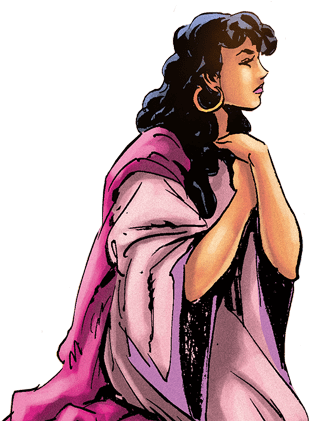

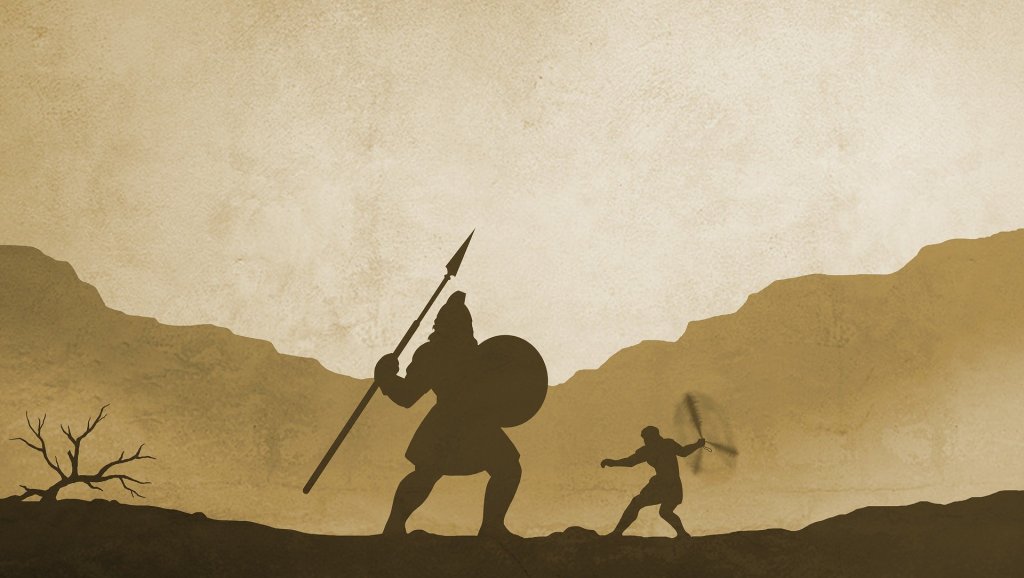


 Sermons at St Paul's